
Commercial property investors often focus on yields, location and tenant quality when assessing an asset. However, another metric plays an important role in understanding leasing risk: weighted average lease expiry.
For investors evaluating commercial property, WALE helps answer a practical question: when could the next leasing risk arise? The metric provides insight into how long tenants are expected to remain in place before lease renewals or vacancies may occur. In practical terms, it helps investors anticipate when income streams may be exposed to renegotiation or changing market conditions.
Understanding how weighted average lease expiry works and interpreting it alongside tenant strength, property fundamentals and local demand can provide valuable context when analysing commercial property opportunities.
What is weighted average lease expiry (WALE)?
Weighted average lease expiry (WALE) measures the average remaining lease term across tenants in a commercial property or portfolio. Each lease is weighted according to its share of rental income or floor area, meaning larger tenants have a greater impact on the final figure.
In practical terms, WALE highlights when existing leases are expected to expire. A property with several long-term leases will typically show a higher WALE, while a building where leases are approaching renewal will display a shorter lease profile.
For investors, this metric provides a quick overview of lease timing across a property. However, WALE should not be interpreted in isolation. Tenant covenant strength, asset quality and broader market conditions all influence how lease expiries may affect long-term investment outcomes.
How WALE is calculated
Calculating weighted average lease expiry involves assessing each tenant’s remaining lease term and weighting that duration according to the tenant’s share of total rent or space within the building.
A simplified example can illustrate the concept. If a major tenant contributes a large proportion of rental income and holds a long-term lease, that tenant will significantly influence the WALE calculation. Smaller tenants with shorter leases will have less impact on the final figure. This scenario is illustrative only, as real lease agreements often contain options or clauses that affect how lease duration should be interpreted.
While the formula itself is relatively straightforward, interpreting WALE requires context. Lease incentives, renewal options and tenant financial strength can all influence how meaningful a particular lease profile may be for investors.
Why weighted average lease expiry matters for commercial investors
Investors commonly analyse weighted average lease expiry to understand when leasing risk may emerge within an asset. A longer WALE generally indicates fewer leases expiring in the near term, while a shorter WALE may signal that lease negotiations or tenant changes could occur sooner. Lenders and regulators also consider weighted average lease expiry when assessing commercial property loans and lease maturity profiles, as outlined in guidance from the Australian Prudential Regulation Authority.
This information can help investors assess when leasing events may occur and how frequently they may need to engage in tenant negotiations or property repositioning. However, the duration of WALE alone does not determine the resilience of a property’s income.
Tenant quality, industry stability and property relevance often have a greater influence on whether leases are renewed at expiry. As a result, WALE is typically considered alongside other indicators of commercial property risk.
WALE at a portfolio level vs single asset level
At the property level, WALE reflects the lease maturity profile of tenants occupying a single asset. This helps investors identify when key lease events may occur and whether a property could face potential vacancy risk within a defined timeframe.
At a portfolio level, however, lease expiries can be distributed across multiple assets and years. Diversified portfolios may therefore include properties with varying lease durations, which can help spread leasing risk across different time periods.
WALE across different commercial sectors
Lease structures differ across commercial sectors, which can influence how weighted average lease expiry appears within various asset classes.
Industrial properties, particularly large logistics facilities, often involve longer leases. Tenants operating distribution centres or supply chain infrastructure may invest significantly in specialised building improvements, which can support longer leasing arrangements.
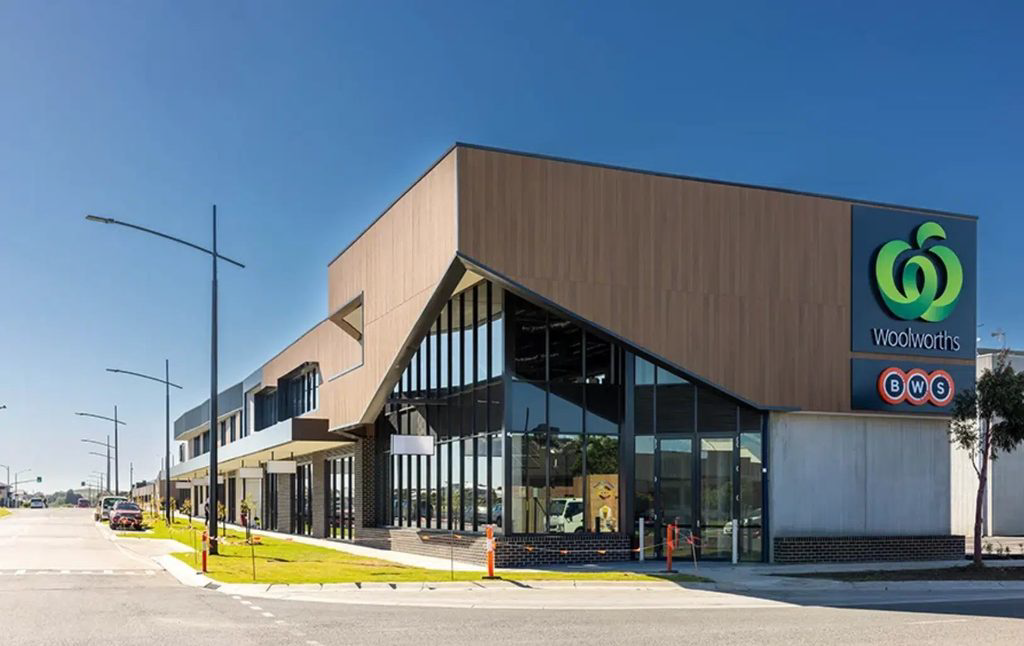
Retail assets typically contain multiple tenants with varied lease durations. Anchor tenants such as supermarkets or major retailers may secure longer agreements, while smaller retailers may operate under shorter terms.
Common misunderstandings about WALE
Although WALE is widely referenced in commercial property analysis, it is sometimes misunderstood. One common misconception is that a longer WALE automatically represents a lower-risk investment. While longer lease durations may reduce the frequency of leasing events, they do not remove risk if tenant demand changes or if a tenant’s financial position weakens.
Another misunderstanding is that WALE guarantees income continuity. In reality, lease renewal outcomes depend heavily on tenant performance, market demand and the relevance of the property within its local market.
How investors use weighted average lease expiry in strategic asset selection
In practice, investors use weighted average lease expiry as one component of a broader property assessment process. Lease profiles are typically reviewed alongside tenant diversification, industry exposure, location fundamentals and building quality.
Some investors prioritise assets with staggered lease expiries to spread leasing events over time. Others may accept shorter lease profiles where strong local demand or property repositioning opportunities exist. Strategic asset selection, therefore, involves evaluating multiple factors rather than relying on a single metric.
Understanding lease timing is understanding risk
Lease timing plays a central role in commercial property investment. Metrics such as weighted average lease expiry help investors identify when leasing events may occur and how those timelines could influence income continuity.
However, WALE should always be interpreted alongside tenant strength, property quality and market demand. A disciplined approach to due diligence allows investors to evaluate lease structures within the broader context of commercial property risk and return.
For investors assessing industrial and office opportunities, speaking with an experienced commercial buyer’s agency can help translate sector analysis into a disciplined acquisition strategy. Connect with the Costi Cohen team to explore how these asset classes may fit your investment objectives.
Disclaimer: This article is provided for general information purposes only and does not constitute financial, investment, taxation or legal advice. Any references to yields, income or return on investment are illustrative only and may vary depending on market conditions, asset selection and individual circumstances. Readers should seek independent professional financial, taxation and legal advice before making any investment decisions or acting on any yield or ROI calculations.