
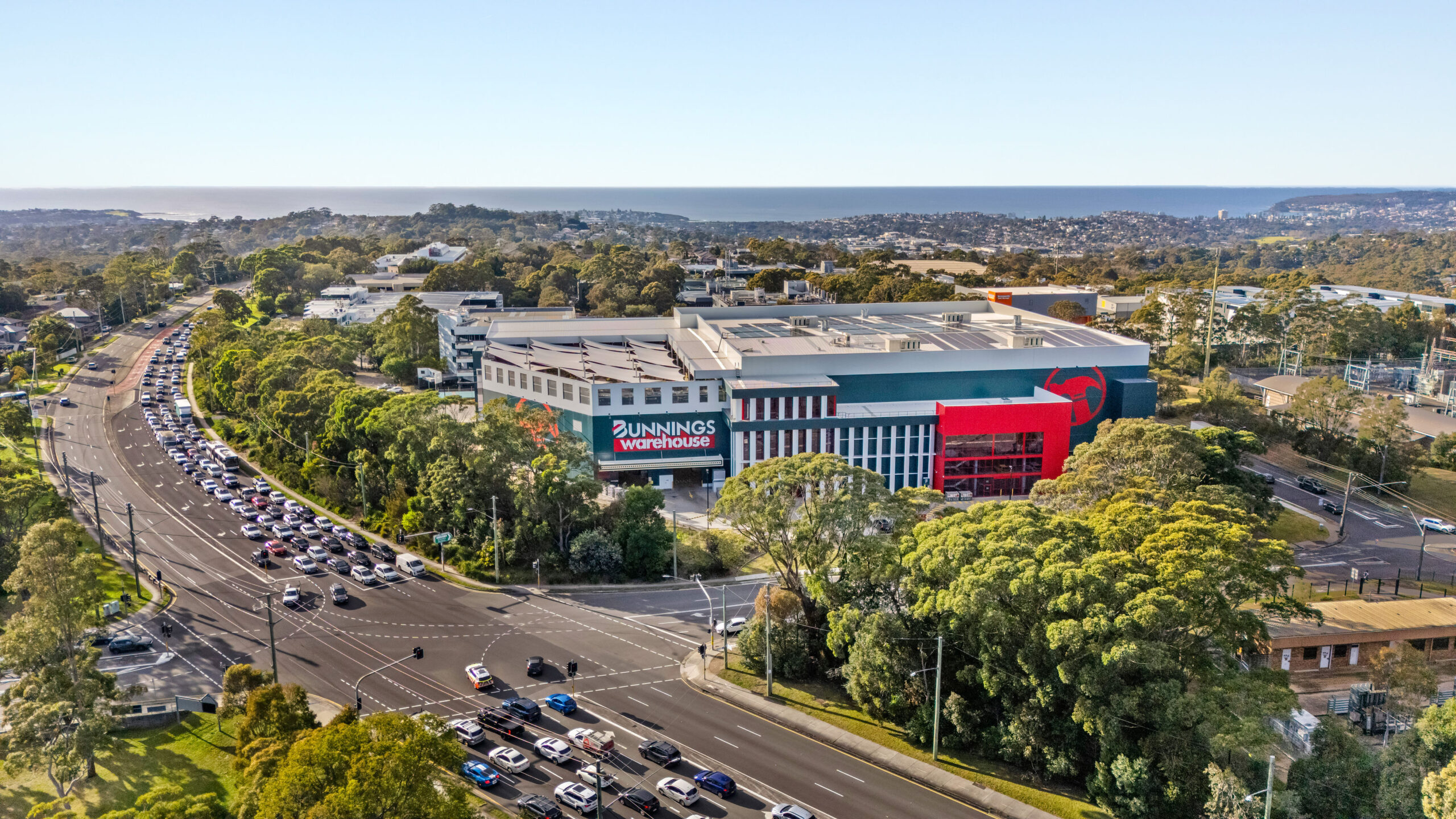
Determining the best commercial asset class Australia offers is rarely straightforward. Commercial property performance is influenced by economic cycles, tenant quality, asset selection and broader market conditions. For this reason, experienced investors often assess sectors through a portfolio lens rather than focusing purely on yield.
This article examines retail vs industrial property from a strategic perspective, comparing demand drivers, tenant profiles, cap rates and liquidity to help investors evaluate how each sector may contribute to long-term portfolio positioning.
Retail vs industrial property in Australia: understanding the structural differences
Retail property includes neighbourhood shopping centres, strip retail, large-format retail and regional centres. These assets generate income from businesses selling goods or services directly to consumers. As a result, retail property performance is closely linked to household spending patterns, population growth and local economic activity.
Industrial property generally consists of warehouses, logistics facilities, distribution centres and light manufacturing sites. Demand is driven by supply chains, freight networks and infrastructure connectivity. The continued expansion of e-commerce has also increased demand for logistics and last-mile distribution facilities in metropolitan markets.
Within the retail vs industrial property comparison, the core distinction is economic exposure: retail assets are consumer-facing, while industrial assets support the movement and storage of goods.
Commercial property performance at a portfolio level
Evaluating commercial property performance requires consideration of how different assets interact within a portfolio rather than analysing sectors in isolation. Retail assets often generate diversified income through multiple tenants operating within a single centre. Centres anchored by supermarkets, medical services or essential retailers may maintain relatively consistent visitation patterns, although discretionary tenants can be more sensitive to economic shifts.
Industrial property can attract tenants such as logistics providers, manufacturers and distribution companies. In certain market cycles, these assets have experienced relatively strong occupancy due to limited industrial land supply in major metropolitan areas.
However, sector-level trends do not guarantee outcomes. Portfolio performance ultimately depends on asset quality, tenant covenant strength and management strategy. Many investors begin by understanding the broader fundamentals of commercial property investment before evaluating individual asset classes.
Demand drivers: consumer spending vs logistics expansion
The demand drivers behind retail vs industrial property are structurally different. Retail property demand is largely influenced by population growth, employment conditions and consumer spending. Neighbourhood centres anchored by essential retail or services may demonstrate relatively steady visitation, while discretionary retail formats can be more sensitive to changes in consumer confidence.
Industrial property demand is typically linked to logistics expansion, trade volumes and infrastructure development. The continued growth of online retail has reshaped distribution networks, increasing demand for warehouse and fulfilment facilities located near major urban populations.
These drivers can evolve over time. Planning controls, development pipelines and infrastructure investment may affect supply levels and vacancy trends, making local market analysis essential when allocating capital between sectors.
Tenant profiles and income durability
Tenant composition plays a significant role in determining income durability across both sectors. Retail centres typically contain multiple tenants, which may diversify income streams. Centres anchored by supermarkets, pharmacies or essential services may experience relatively consistent occupancy levels. However, retailers operating in discretionary categories may face more variable trading conditions.
Industrial properties are often leased to single tenants, particularly in large logistics facilities or specialised warehouses. While this can simplify property management, it may create concentration risk if a tenant vacates at lease expiry.
Income durability therefore depends on tenant covenant strength, lease duration and asset relevance rather than sector classification alone.
Cap rates and risk perception: a commercial asset class comparison
In recent years, strong investor demand for logistics assets has in some instances contributed to lower cap rates for prime industrial property compared with certain retail assets. Retail cap rates can vary significantly depending on tenant mix, asset quality and location.
Neighbourhood centres anchored by essential retail may trade at relatively competitive yields, whereas secondary strip retail assets can reflect higher cap rates due to leasing uncertainty.
Within a structured commercial asset class comparison, cap rates should be interpreted carefully. A higher yield does not necessarily result in stronger return on investment, and a lower yield does not automatically indicate reduced risk. Instead, cap rates reflect how the market currently assesses risk and demand within each sector.
Liquidity and market depth: which sector trades more readily?
Liquidity varies across both sectors. Industrial property in established logistics corridors across NSW, Victoria and Queensland has attracted broad investor interest from private buyers, syndicates and institutional capital. This depth of demand may support transaction activity in some market conditions.
Retail property liquidity can vary depending on asset quality. Prime neighbourhood centres anchored by essential services may attract consistent buyer interest, while smaller or secondary retail assets may experience longer marketing periods depending on investor sentiment.
Which is the best commercial asset class Australia offers?
Identifying the best commercial asset class Australia provides depends on investment objectives, risk tolerance and time horizon.
Industrial property may appeal to investors seeking exposure to logistics infrastructure and supply chain expansion. Retail assets anchored by essential services may offer diversified tenant bases and proximity to population growth corridors.
Rather than identifying a definitive winner in the comparison, many investors focus on how each sector contributes to portfolio balance. Sector comparisons, including industrial vs office property investment insights, can provide additional context when allocating capital across different commercial asset classes.
Navigate retail and industrial property with strategic perspective
Comparing retail vs industrial property requires more than analysing yields alone. Demand drivers, tenant composition, cap rate trends and liquidity all influence investment outcomes.
Long-term commercial property performance is shaped by asset quality, tenant covenant strength and disciplined acquisition strategy rather than sector classification alone. Investors assessing the best commercial asset class often prioritise careful due diligence, realistic financial modelling and alignment with broader portfolio objectives.
Selecting the right commercial asset requires disciplined analysis and strategic positioning. Speak with the Costi Cohen team to explore how retail, industrial and other sectors may fit within your long-term property investment strategy.
Disclaimer: This article is provided for general information purposes only and does not constitute financial, investment, taxation or legal advice. Any references to yields, cap rates, income or return on investment are illustrative only and may vary depending on market conditions, asset selection and individual circumstances. Readers should seek independent professional financial, taxation and legal advice before making any investment decisions or acting on any yield or ROI calculations.