
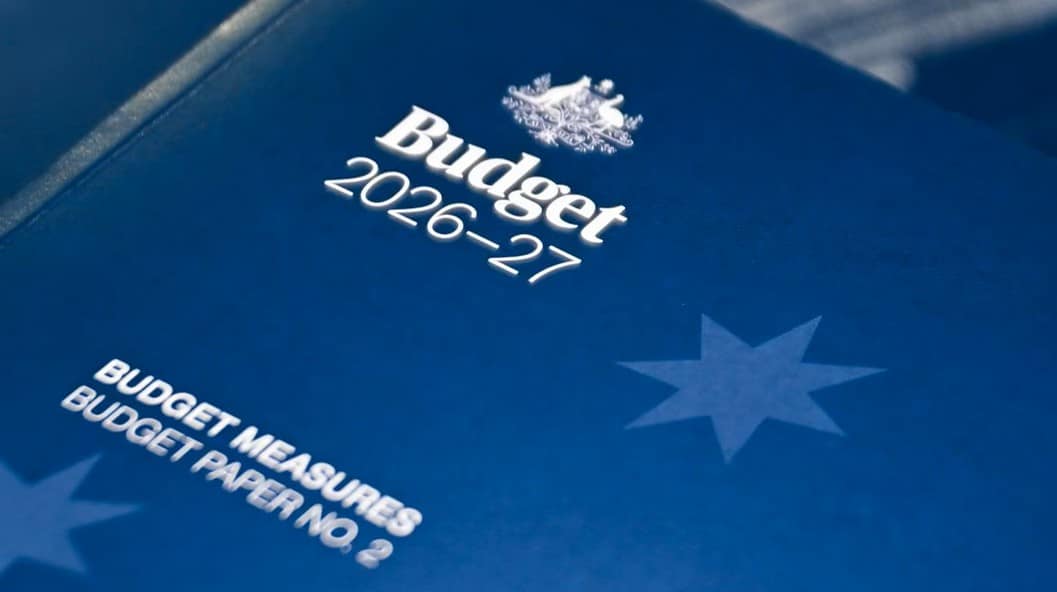
Labor abolished negative gearing for established residential properties purchased after the budget announcement on Tuesday and announced the 50 per cent capital gains tax discount would be replaced with an inflation-indexation model and 30 per cent minimum tax rate on gains from July 1, 2027.
However, commercial property assets – such as self-storage facilities, warehouses and retail buildings – remain exempt from the negative gearing changes, but not those made to capital gains tax.
That could be enough of an incentive for some investors to park their money in commercial property to take advantage of any rental losses, which can be written off against any other income to reduce their income tax bill, according to industry figures.
“Commercial industrial property is a budget winner in my eyes,” commercial property investor and developer Oscar Ledlin told The Australian Financial Review.
“Not because the government has made commercial property more attractive, but because they’ve made residential property investing materially less attractive.
“Negative gearing is still available to commercial properties. For the vast majority, even in this interest rate environment, industrial assets are positively geared.”
Ledlin ranked 55th in last year’s Financial Review Young Rich List with a net worth of $123 million, underpinned by his commercial property development business, Ledlin Group, which focuses on industrial real estate and business parks.
The property developer said that after the budget was handed down, he received a flurry of inquiries about how to invest in the industrial commercial property sector, which includes warehouses and distribution centres.
“The change in policy that’s coming through now has been enough of a push for people … they have no interest in residential property investment now,” Ledlin said. “The alternative is industrial because industrial has been the flavour of the better part of half a decade.”
Todd Want, head of tax at accounting firm William Buck, said there was now a clear distinction in the tax settings for the commercial and residential property markets.
Newly built housing is also exempt from the negative gearing changes and people who invest in it can opt for either the 50 per cent capital gains tax discount rate or the indexation model.
“The policy changes very much push you to new residential,” he said. “If people are looking outside of that and saying, ‘well maybe new residential is not for me’, then if you’re looking at existing stock of things, arguably commercial property may be a more favourable thing than residential.
“Mum and dad investors, they may be looking at commercial property – in that less than $1 million or $2 million range – more so than they ever have done if acquiring existing residential property is no longer as attractive.”
Tas Costi, co-founder of commercial property buyers agency Costi Cohen, agreed that commercial property would be more attractive after the tax changes, particularly for investors focused on stronger cash flow, income security and long-term asset quality.
“We expect demand to continue concentrating toward commercial properties with long leases, fixed rental increases and strong underlying land value,” he said. “Particularly across industrial, healthcare, childcare, convenience retail and premium freestanding investments.”