
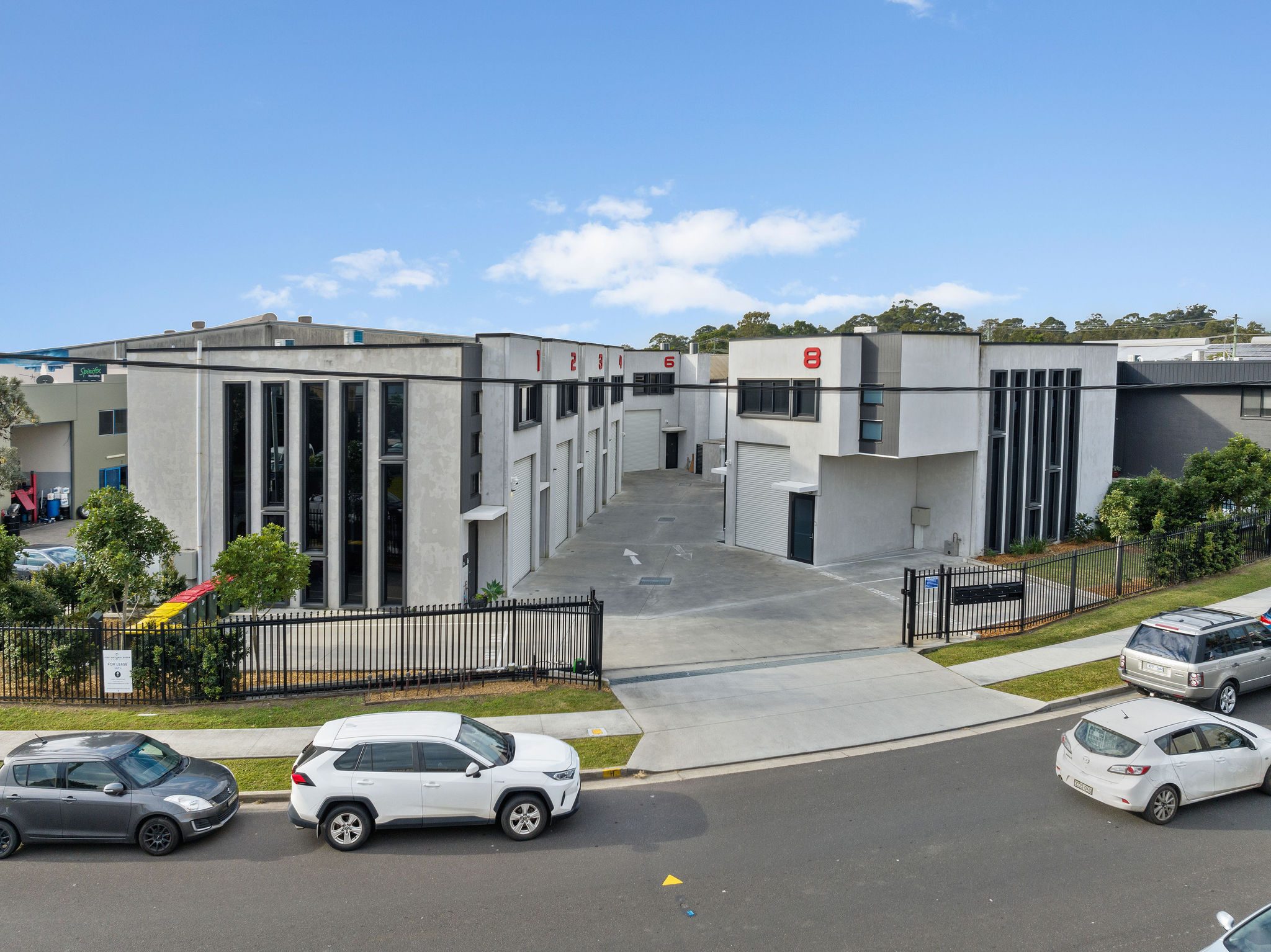
This guide walks you through the essential checklist for buying a commercial property. Whether you’re considering an office building, retail space or industrial warehouse, these factors can help you evaluate whether an investment aligns with your goals.
Buying a commercial property checklist
Here are the key factors investors should evaluate before making an offer:
1. Lease profile and structure
One of the first things to examine is the lease profile. This tells you how the property generates income and how long that income stream may continue.
What to check:
- Lease expiry dates for all tenants
- Rent review clauses (fixed increases, CPI-linked or market reviews)
- Option periods available to tenants
- Any incentives or rent-free periods still in effect
A property with long leases and regular rent increases may offer more predictability, while shorter leases could mean more hands-on management. Understanding the lease structure helps you assess the ongoing commitment required.
2. Tenant quality
The quality of your tenants directly influences the reliability of your income. A strong tenant with a solid track record is generally preferable to one with limited history or financial instability.
What to look for:
- Financial strength of the tenant (public companies, established brand or local operators)
- Length of time the tenant has occupied the property
- Industry sector and its current outlook
- Any history of late payments or disputes
Properties leased to national or multinational tenants may carry different risk profiles compared to those with local, independent businesses. Both have their place, but your risk tolerance and management capacity should guide your decision.
3. Weighted Average Lease Expiry (WALE)
WALE is a metric that shows the average time until all leases in a property expire, weighted by the income each tenant contributes. It’s a snapshot of lease stability.
Why it matters: A higher WALE (for example, five years or more) can indicate a more stable income profile in the near term. A lower WALE means leases are expiring sooner, which could require re-leasing efforts or negotiations.
If a property has a WALE of less than two years, you’ll want to consider your capacity to manage tenant turnover or negotiate renewals. Understanding this metric early helps you plan ahead.
4. Outgoings and operating expenses
Outgoings include costs like council rates, insurance, maintenance and property management fees. In many commercial leases, tenants reimburse the landlord for some or all of these expenses, but the structure varies.
What to review:
- Who pays for what (landlord vs. tenant responsibilities)
- Historical outgoings over the past two to three years
- Any upcoming capital expenditure requirements (roof repairs, HVAC upgrades, etc.)
- Whether outgoings are recovered in full or partially
A property where outgoings are fully recovered by tenants can be more straightforward to manage. If the landlord is responsible for significant costs, factor these into your cash flow projections.
5. Zoning and permitted use
Zoning determines what activities can legally take place on a property. Even if a site is currently operating as a retail shop or office, the underlying zoning may allow for other uses or restrict future changes.
What to confirm:
- Current zoning classification
- Permitted and prohibited uses under that zoning
- Any development potential or restrictions
Understanding zoning gives you insight into flexibility. If you plan to repurpose the property or redevelop in the future, zoning will play a central role in what’s possible.
Tip: You can check resources like the Australian Business Licence and Information Services to understand which permits apply to your intended use.
6. Building condition
A building inspection is not optional. Commercial properties can carry hidden issues that affect value, safety and ongoing costs.
Key areas to assess:
- Structural integrity (foundations, walls, roof)
- Condition of building services (electrical, plumbing, HVAC)
- Accessibility requirements under disability legislation
- Presence of hazardous materials (asbestos, lead paint)
Older buildings may require upgrades to meet modern standards, which can add to your capital outlay. A thorough building report helps you understand what you’re taking on and budget accordingly.
7. Location and accessibility
Location affects everything from tenant demand to long-term capital growth potential. Even within the same city, submarkets can behave very differently.
Factors to consider:
- Proximity to transport links (highways, public transport, airports)
- Visibility and street frontage
- Nearby amenities (retail, services, food options)
- Accessibility for customers, employees or deliveries
A well-located property may support higher occupancy and attract quality tenants more easily. Conversely, a property in a declining or isolated area may face challenges, regardless of its physical condition.
8. Market demand and comparables
Understanding the local market context helps you assess whether a property is priced fairly and whether demand is likely to remain strong.
What to research:
- Recent sales of similar properties in the area
- Current vacancy rates for the asset class
- Average rental rates and how the subject property compares
- Trends in tenant demand (growing, stable or declining)
If vacancy rates are high or rents are falling, that may signal oversupply or weakening demand. On the other hand, a tight market with limited stock may present different opportunities and risks.
Tip: You can find demographic and market data on the Australian Bureau of Statistics to research local trends.
Need a personalised checklist for buying a commercial property?
Buying a commercial property involves more variables than residential real estate, but a methodical approach can help you navigate the process with confidence. This checklist covers the core areas to investigate, but every property is unique, and your personal circumstances matter too.
At Costi Cohen, we work with investors at every stage of the commercial property journey. From sourcing off-market opportunities to conducting thorough due diligence, our team can help you evaluate properties with clarity and make informed decisions. If you’re ready to explore your options or want guidance on your first commercial purchase, contact us to discuss how we can support your goals.
Disclaimer: This article is for general informational purposes only and does not constitute financial, legal or investment advice. Readers should obtain independent professional advice before making any investment decisions.