
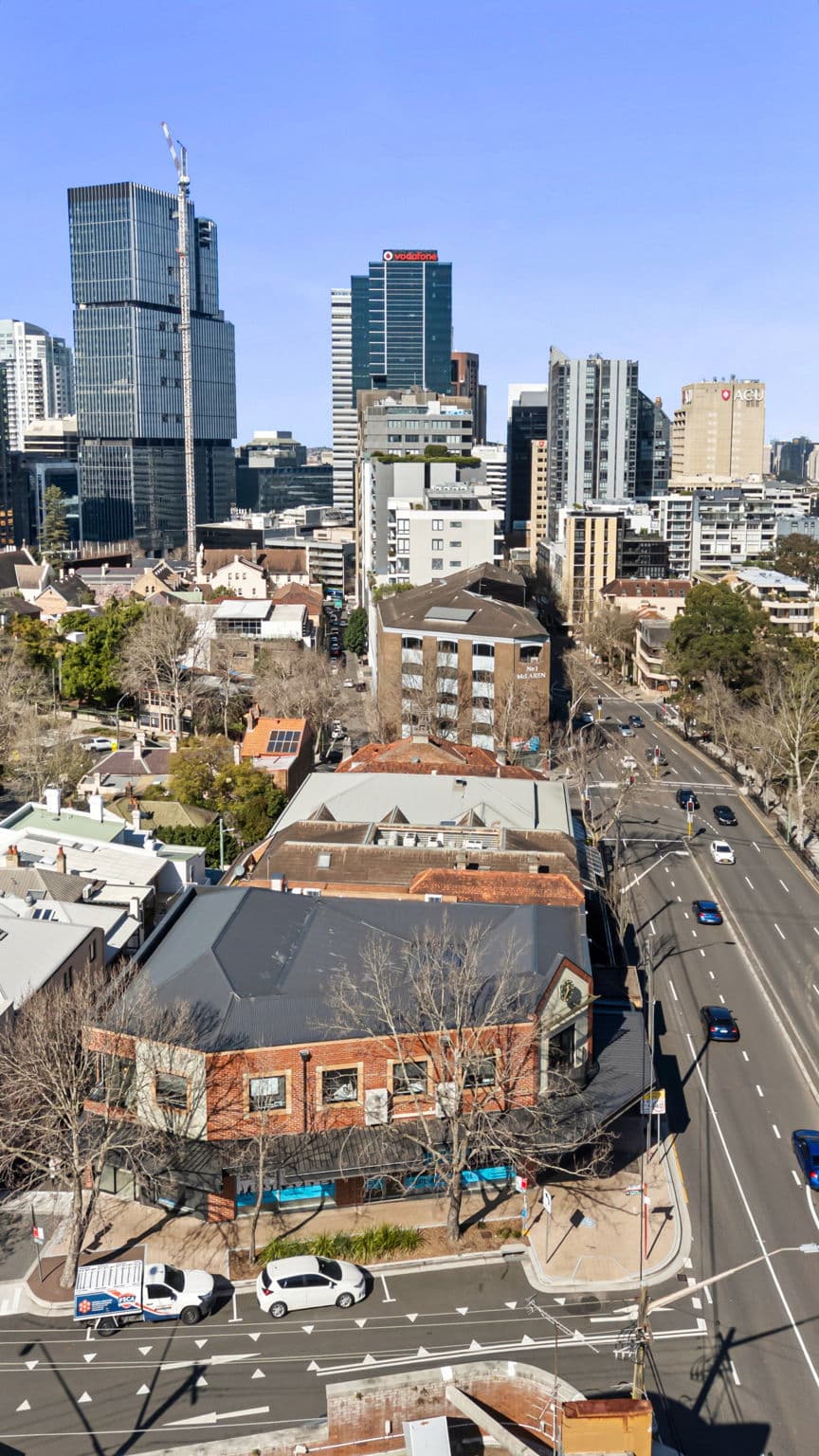
What is commercial property risk?
Risk in commercial property is the possibility that an asset underperforms expectations or fails to deliver the income you anticipated. Unlike residential property, where demand is driven by housing needs, commercial assets depend on business activity, tenant creditworthiness and economic conditions. Getting a handle on these variables helps you work out whether a property actually fits your tolerance for uncertainty.
Key risks to evaluate
Several factors can affect both income stability and capital value during your holding period.
1. Vacancy risk
Vacancy happens when a property has no paying tenant. During these periods, you’re still covering outgoings like rates, insurance and maintenance without rental income to offset costs. Properties in oversupplied markets or those needing significant refurbishment can sit vacant for extended periods.
2. Tenant turnover
Even well-located properties experience tenant transitions. Each changeover often involves lease incentives, fit-out contributions or rent-free periods to attract replacement tenants. High turnover can drive up costs and disrupt income, especially in competitive leasing markets.
3. Market cycles
Commercial property values tend to move with broader economic conditions. During downturns, demand for space weakens, rent growth stalls and cap rates widen. Buy at the peak of a cycle, and you might wait years to recover value if conditions turn.
4. Interest rate movements
Most commercial acquisitions involve debt. When interest rates climb, borrowing costs increase and cash flow takes a hit. If you’re running high leverage, your margins can erode fast when rates move against you.
5. Capitalisation rate fluctuations
Cap rates show the relationship between a property’s net income and its market value. When cap rates expand, property values may fall, even if rental income stays put. The flip side? Cap rate compression can push capital growth. These shifts respond to investor sentiment, supply and demand dynamics, and prevailing interest rates.
What are commercial property returns?
Returns measure the financial performance of your investment. They represent the income and value gains you can potentially achieve from owning and holding commercial property.
Expected return components
Returns in commercial property come from two sources: income generated through rent and capital appreciation over time. Looking at both gives you a realistic picture of how an asset might perform.
1. Rental yield
Rental yield is your annual net rental income as a percentage of the purchase price. It shows how much income an asset produces. Properties with long-term leases to creditworthy tenants tend to deliver more predictable yields, while shorter leases or weaker tenants introduce variability.
Take a property purchased for $2, 000, 000 with an annual net rent of $140, 000, that’s a 7% yield. This number helps you stack up income potential across different assets.
2. Capital growth
Capital growth happens when a property’s market value increases over time. This can come from improved location amenity, rent increases, cap rate compression or broader market demand. Keep in mind that growth isn’t guaranteed and gets influenced by factors outside your control, such as zoning changes, infrastructure development and economic shifts.
Simple risk-return frameworks
Certain lease and tenant characteristics can signal where an asset sits on the risk spectrum.
1. Long WALE + strong tenants = lower risk
A property with a weighted average lease expiry (WALE) of several years and tenants from stable industries may reduce income volatility. The trade-off? Lower risk usually means lower yields, as investors often pay more for security.
2. Shorter leases + weak credit = higher risk
Properties with short remaining lease terms or tenants in volatile sectors bring uncertainty. These assets might offer higher initial yields to compensate for risk, but they also carry greater potential for vacancy, default or income disruption.
3. Location and asset quality
Research from Swinburne University of Technology suggests that properties in established commercial precincts tend to see more stable demand than those in emerging or isolated areas. Construction quality, building systems, transport links and environmental ratings can shape tenant appeal and long-term value retention.
Illustrative scenario, evaluating two properties
Consider two hypothetical assets:
- Property A , A suburban office building leased to a government department for eight years at $180, 000 per annum. Purchase price: $2, 400, 000. Yield: 7.5%.
- Property B , A retail shop leased to an independent operator for two years at $90, 000 per annum. Purchase price: $1, 100, 000. Yield: 8.2%.
Property A offers a longer lease and a more secure tenant, which may reduce income risk but deliver a lower yield. Property B provides a higher income relative to price but brings greater uncertainty around tenant credit and lease expiry.
Neither is inherently better, as Property A may suit those prioritising stability while Property B might appeal to investors comfortable with higher risk for potentially stronger yield.
Balancing risk and return in your strategy
Successful commercial property investment typically means matching asset selection to your financial capacity and objectives. After stable income? You might prioritise long leases and strong covenants, accepting lower yields for reduced volatility. Comfortable with higher risk? You could chase value-add opportunities, shorter leases or secondary locations with repositioning potential.
If you're finding these decisions complex or uncertain, that’s completely normal. According to the Property Investment Professionals of Australia (PIPA), 44% of property investors have sought or are planning to engage buyers agents to help navigate acquisition decisions, underscoring how common it is to seek guidance when assessing commercial opportunities.
Understanding commercial property risk vs return with Costi Cohen
At Costi Cohen, we guide investors through the complexities of commercial property acquisition. Our team provides access to off-market opportunities, detailed market analysis and strategic advice shaped around your investment criteria. Whether you’re evaluating your first commercial asset or growing an established portfolio, we help you assess risk, spot opportunities and structure transactions with clarity.
Contact us today to discuss your commercial property objectives and explore how we can support your next investment decision.
Disclaimer: This article is for general informational purposes only and does not constitute financial, taxation or legal advice. Commercial property investment involves risk, and past performance or illustrative examples do not guarantee future results. Investors should seek professional advice tailored to their circumstances before making any investment decisions.